
Stress and anxiety are common experiences for most people. In fact, 70% of adults in the United States say they feel stress or anxiety daily.
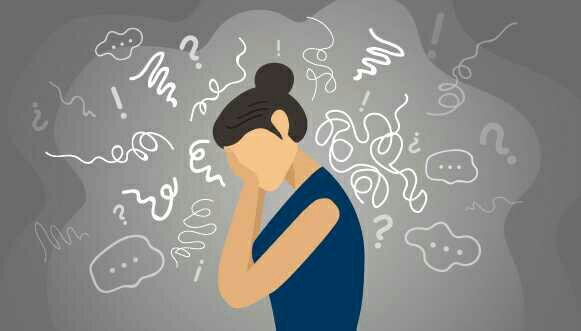
Here are 18 simple ways to relieve stress and anxiety.
1. Exercise
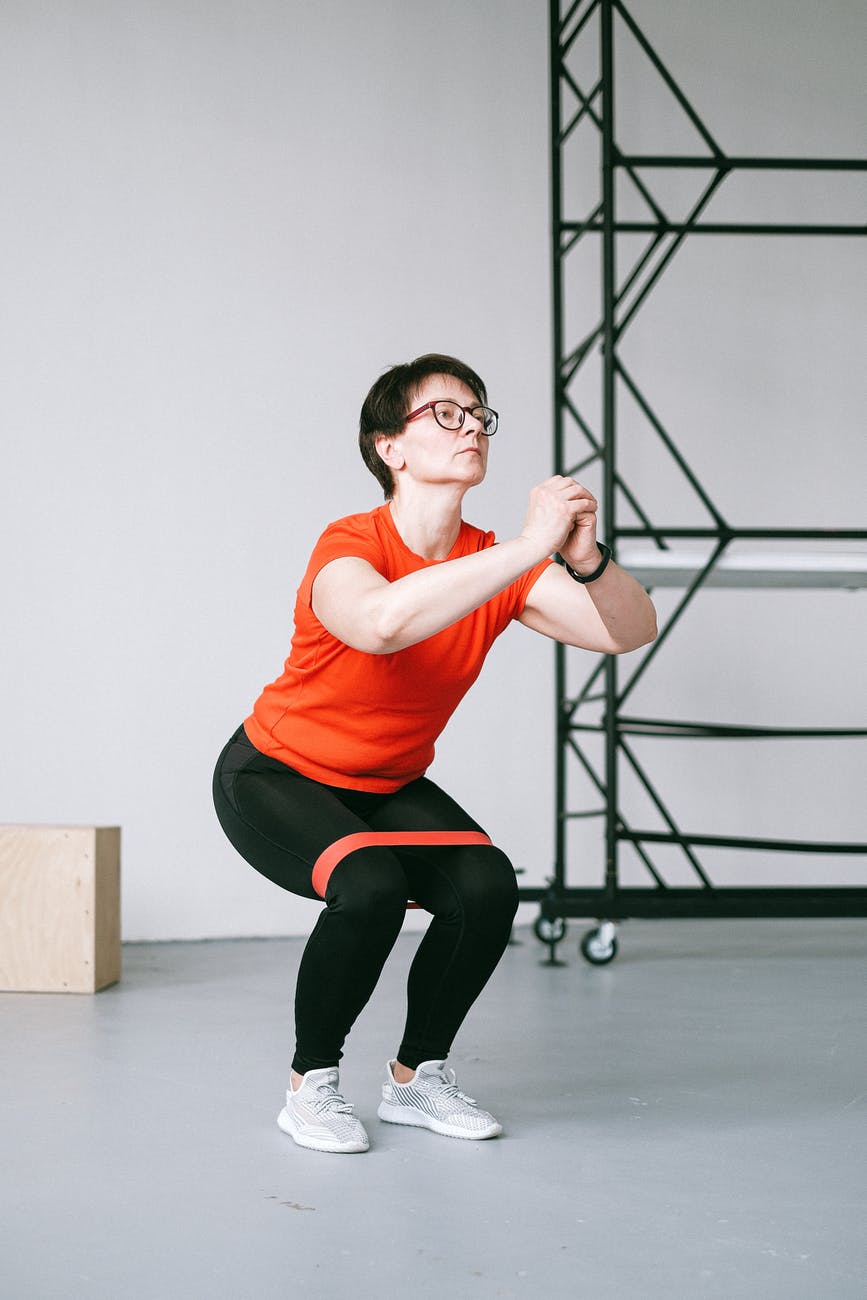
Exercise
Exercise is one of the most important things you can do to combat stress.
It might seem contradictory, but putting physical stress on your body through exercise can relieve mental stress.
The benefits are strongest when you exercise regularly. People who exercise regularly are less likely to experience anxiety than those who don’t exercise.
There are a few reasons behind this:
- Stress hormones: Exercise lowers your body’s stress hormones — such as cortisol — in the long run. It also helps release endorphins, which are chemicals that improve your mood and act as natural painkillers.
- Sleep: Exercise can also improve your sleep quality, which can be negatively affected by stress and anxiety.
- Confidence: When you exercise regularly, you may feel more competent and confident in your body, which in turn promotes mental wellbeing.
- Try to find an exercise routine or activity you enjoy, such as walking, dancing, rock climbing or yoga.
Activities — such as walking or jogging — that involve repetitive movements of large muscle groups can be particularly stress relieving.
SUMMARY
Regular exercise can help lower stress and anxiety by releasing endorphins and improving your sleep and self-image.
2. Consider supplements

😍
Several supplements promote stress and anxiety reduction. Here is a brief overview of some of the most common ones:
- Lemon balm: Lemon balm is a member of the mint family that has been studied for its anti-anxiety effects.
- Omega-3 fatty acids: One study showed that medical students who received omega-3 supplements experienced a 20% reduction in anxiety symptoms.
- Ashwagandha: Ashwagandha is an herb used in Ayurvedic medicine to treat stress and anxiety. Several studies suggest that it’s effective.
- Green tea: Green tea contains many polyphenol antioxidants which provide health benefits. It may lower stress and anxiety by increasing serotonin levels.
- Valerian: Valerian root is a popular sleep aid due to its tranquilizing effect. It contains valerenic acid, which alters gamma-aminobutyric acid (GABA) receptors to lower anxiety.
- Kava kava: Kava kava is a psychoactive member of the pepper family. Long used as a sedative in the South Pacific, it is increasingly used in Europe and the US to treat mild stress and anxiety.
Some supplements can interact with medications or have side effects, so you may want to consult with a doctor if you have a medical condition.
SUMMARY
Certain supplements can reduce stress and anxiety, including ashwagandha, omega-3 fatty acids, green tea and lemon balm.
3. Light a candle

Candle
Using essential oils or burning a scented candle may help reduce your feelings of stress and anxiety.
Some scents are especially soothing. Here are some of the most calming scents:
- Lavender.
- Rose.
- Vetiver.
- Bergamot.
- Roman chamomile.
- Neroli.
- Frankincense.
- Sandalwood.
- Ylang ylang.
- Orange or orange blossom.
- Geranium.
Using scents to treat your mood is called aromatherapy. Several studies show that aromatherapy can decrease anxiety and improve sleep.
SUMMARY
Aromatherapy can help lower anxiety and stress. Light a candle or use essential oils to benefit from calming scents.
4. Reduce your caffeine intake.
Caffeine
Caffeine is a stimulant found in coffee, tea, chocolate and energy drinks. High doses can increase anxiety.
People have different thresholds for how much caffeine they can tolerate.
If you notice that caffeine makes you jittery or anxious, consider cutting back.
Although many studies show that coffee can be healthy in moderation, it’s not for everyone. In general, five or fewer cups per day is considered a moderate amount.
SUMMARY
High quantities of caffeine can increase stress and anxiety. However, people’s sensitivity to caffeine can vary greatly.
5. Write it down.
🔏
One way to handle stress is to write things down.
While recording what you’re stressed about is one approach, another is jotting down what you’re grateful for.
Gratitude may help relieve stress and anxiety by focusing your thoughts on what’s positive in your life.
SUMMARY
Keeping a journal can help relieve stress and anxiety, especially if you focus on the positive.
6. Chew gum.

Chew gum
For a super easy and quick stress reliever, try chewing a stick of gum.
One study showed that people who chewed gum had a greater sense of wellbeing and lower stress.
One possible explanation is that chewing gum causes brain waves similar to those of relaxed people. Another is that chewing gum promotes blood flow to your brain.
Additionally, one recent study found that stress relief was greatest when people chewed more strongly.
SUMMARY
According to several studies, chewing gum may help you relax. It may also promote wellbeing and reduce stress.
7. Spend time with friends and family.

Family
Social support from friends and family can help you get through stressful times.
Being part of a friend network gives you a sense of belonging and self-worth, which can help you in tough times.
One study found that for women in particular, spending time with friends and children helps release oxytocin, a natural stress reliever. This effect is called “tend and befriend,” and is the opposite of the fight-or-flight response
Keep in mind that both men and women benefit from friendship.
Another study found that men and women with the fewest social connections were more likely to suffer from depression and anxiety
SUMMARY
Having strong social ties may help you get through stressful times and lower your risk of anxiety.
8. Laugh.

Smile❤
It’s hard to feel anxious when you’re laughing. It’s good for your health, and there are a few ways it may help relieve stress:
- Relieving your stress response.
- Relieving tension by relaxing your muscles.
In the long term, laughter can also help improve your immune system and mood.
A study among people with cancer found that people in the laughter intervention group experienced more stress relief than those who were simply distracted (15Trusted Source).
Try watching a funny TV show or hanging out with friends who make you laugh.
SUMMARY
Find the humor in everyday life, spend time with funny friends or watch a comedy show to help relieve stress.
9. Learn to say no.

No
Not all stressors are within your control, but some are.
Take control over the parts of your life that you can change and are causing you stress.
One way to do this may be to say “no” more often.
This is especially true if you find yourself taking on more than you can handle, as juggling many responsibilities can leave you feeling overwhelmed.
Being selective about what you take on — and saying no to things that will unnecessarily add to your load — can reduce your stress levels.
SUMMARY
Try not to take on more than you can handle. Saying no is one way to control your stressors.
10. Learn to avoid procrastination.

Procrastination
Another way to take control of your stress is to stay on top of your priorities and stop procrastinating.
Procrastination can lead you to act reactively, leaving you scrambling to catch up. This can cause stress, which negatively affects your health and sleep quality.
Get in the habit of making a to-do list organized by priority. Give yourself realistic deadlines and work your way down the list.
Work on the things that need to get done today and give yourself chunks of uninterrupted time, as switching between tasks or multitasking can be stressful itself.
SUMMARY
Prioritize what needs to get done and make time for it. Staying on top of your to-do list can help ward off procrastination-related stress.
11. Take a yoga class.
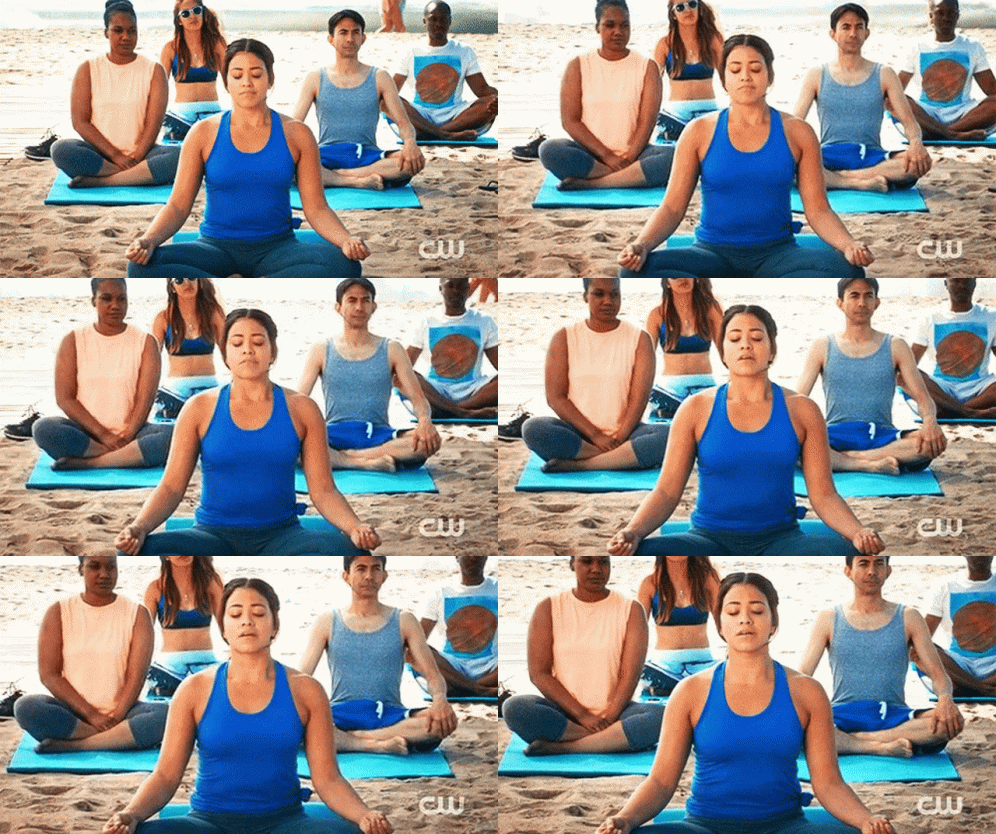
Yoga❤
Yoga has become a popular method of stress relief and exercise among all age groups.
While yoga styles differ, most share a common goal — to join your body and mind.
Yoga primarily does this by increasing body and breath awareness.
Some studies have examined yoga’s effect on mental health. Overall, research has found that yoga can enhance mood and may even be as effective as antidepressant drugs at treating depression and anxiety.
However, many of these studies are limited, and there are still questions about how yoga works to achieve stress reduction.
In general, the benefit of yoga for stress and anxiety seems to be related to its effect on your nervous system and stress response.
It may help lower cortisol levels, blood pressure and heart rate and increase gamma-aminobutyric acid (GABA), a neurotransmitter that is lowered in mood disorders.
SUMMARY
Yoga is widely used for stress reduction. It may help lower stress hormone levels and blood pressure.
12. Practice mindfulness.

Mindfulness describes practices that anchor you to the present moment.
It can help combat the anxiety-inducing effects of negative thinking.
There are several methods for increasing mindfulness, including mindfulness-based cognitive therapy, mindfulness-based stress reduction, yoga and meditation.
A recent study in college students suggested that mindfulness may help increase self-esteem, which in turn lessens symptoms of anxiety and depression.
SUMMARY
Mindfulness practices can help lower symptoms of anxiety and depression.
13. Cuddle.
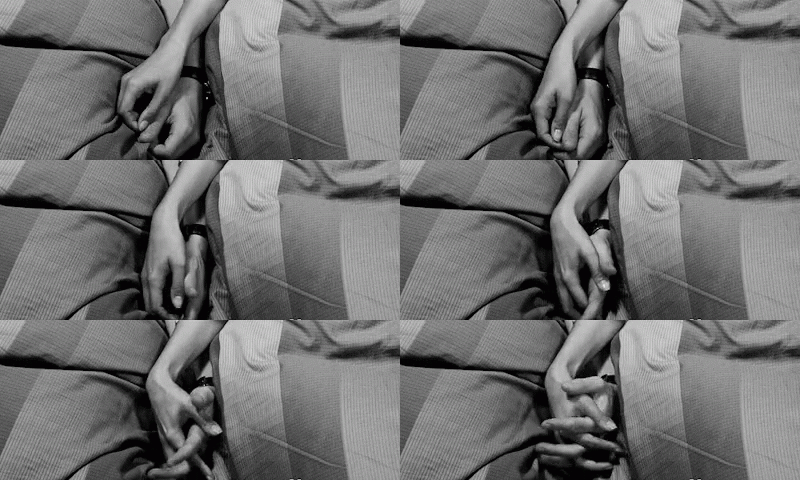
Cuddle
Cuddling, kissing, hugging and sex can all help relieve stress.
Positive physical contact can help release oxytocin and lower cortisol. This can help lower blood pressure and heart rate, both of which are physical symptoms of stress.
Interestingly, humans aren’t the only animals who cuddle for stress relief. Chimpanzees also cuddle friends who are stressed.
SUMMARY
Positive touch from cuddling, hugging, kissing and sex may help lower stress by releasing oxytocin and lowering blood pressure.
14. Listen to soothing music.

Listening soothing music
Listening to music can have a very relaxing effect on the body.
Slow-paced instrumental music can induce the relaxation response by helping lower blood pressure and heart rate as well as stress hormones.
Some types of classical, Celtic, Native American and Indian music can be particularly soothing, but simply listening to the music you enjoy is effective too
Nature sounds can also be very calming. This is why they’re often incorporated into relaxation and meditation music.
SUMMARY
Listening to music you like can be a good way to relieve stress.
15. Deep breathing.
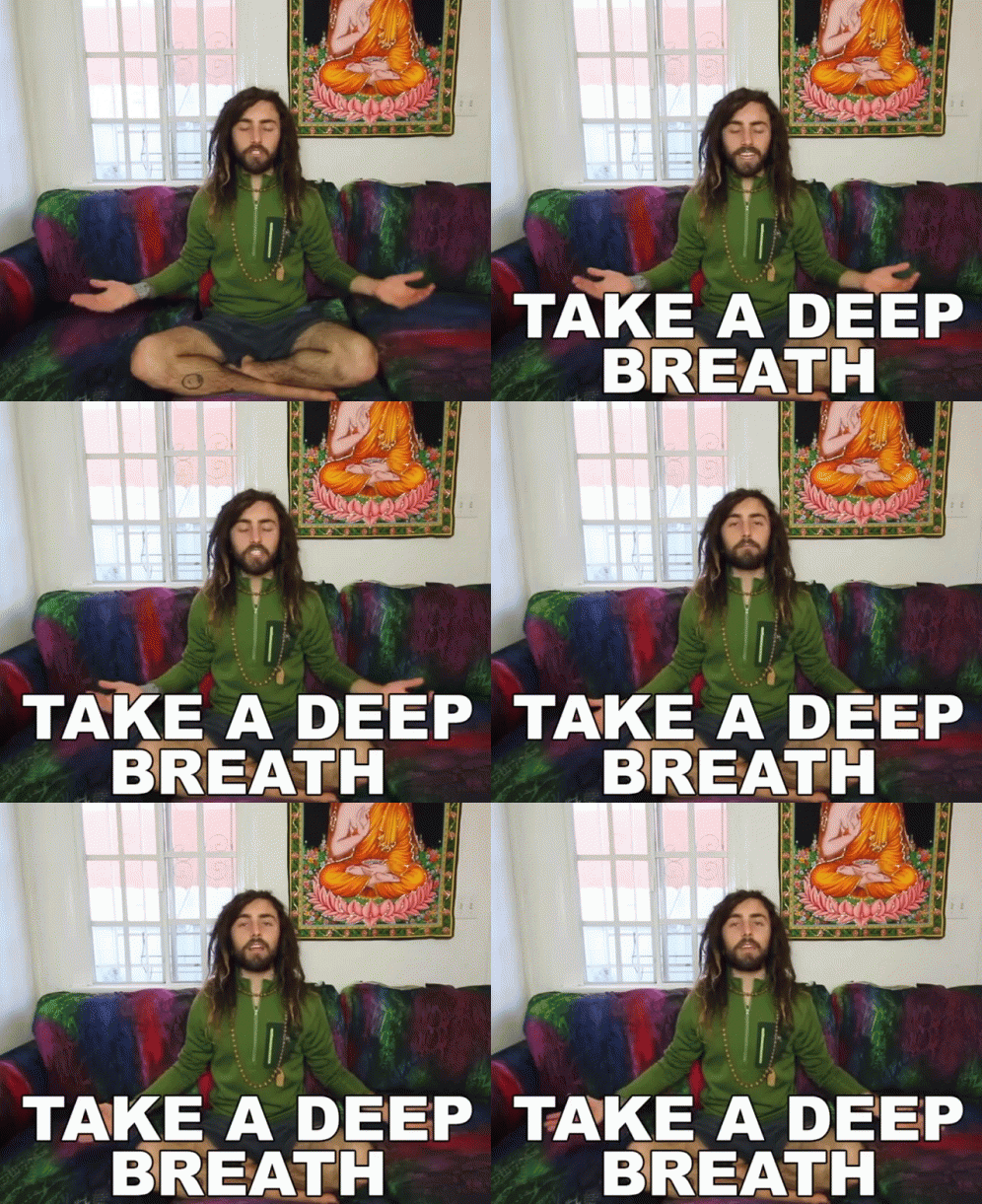
Breath.
Mental stress activates your sympathetic nervous system, signaling your body to go into “fight-or-flight” mode.
During this reaction, stress hormones are released and you experience physical symptoms such as a faster heartbeat, quicker breathing and constricted blood vessels.
Deep breathing exercises can help activate your parasympathetic nervous system, which controls the relaxation response.
There are several types of deep breathing exercises, including diaphragmatic breathing, abdominal breathing, belly breathing and paced respiration.
The goal of deep breathing is to focus your awareness on your breath, making it slower and deeper. When you breathe in deeply through your nose, your lungs fully expand and your belly rises.
This helps slow your heart rate, allowing you to feel more peaceful.
SUMMARY
Deep breathing activates the relaxation response. Multiple methods can help you learn how to breathe deeply.
16. Spend time with your pet.
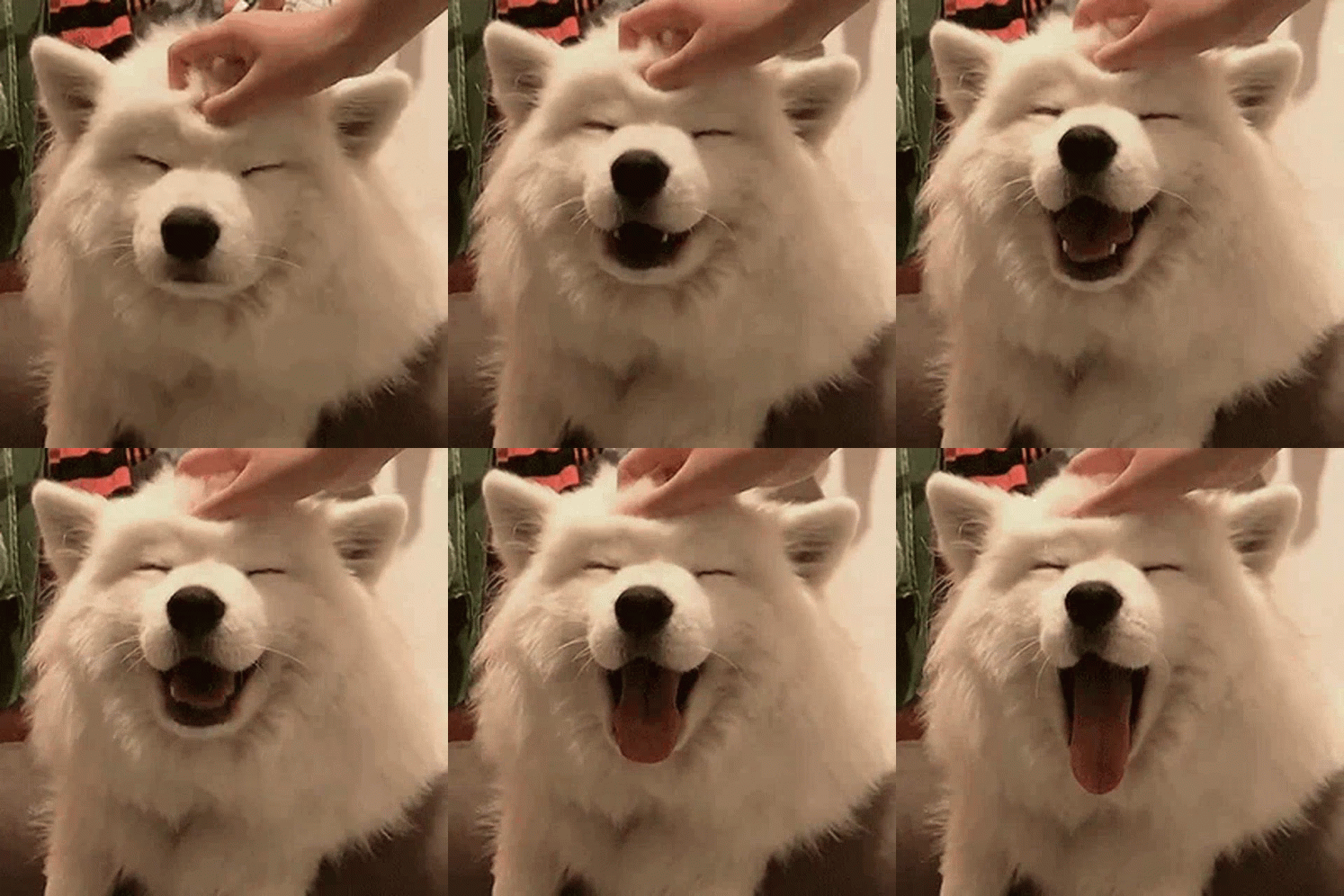
Pet
Having a pet may help reduce stress and improve your mood.
Interacting with pets may help release oxytocin, a brain chemical that promotes a positive mood (23Trusted Source).
Having a pet may also help relieve stress by giving you purpose, keeping you active and providing companionship — all qualities that help reduce anxiety.
SUMMARY
Spending time with your pet is a relaxing, enjoyable way to reduce stress.
17. Smile.

“Age-old adages, such as ‘grin and bear it,’ have suggested smiling to be not only an important nonverbal indicator of happiness but also wishfully promote smiling as a panacea for life’s stressful events,” says researcher Tara Kraft.
The research conducted by Kraft did in fact find that simply smiling did reduce stress.
“The next time you are stuck in traffic or are experiencing some other type of stress, you might try to hold your face in a smile for a moment,” said Sarah Pressman, one of the researchers. “Not only will it help you ‘grin and bear it’ psychologically, but it might actually help your heart health as well.”
SUMMARY
When we smile our endocrine gland edrenal secreates a hormone known as adrenalin which mentains our anger.
18. Identify stress triggers.
Once you have begun to monitor and pay attention to your stress levels you need to try to identify specific stress triggers.
[ Stress can come from many places. What triggers your stress? Your job? Your relationships? Your finances? Your children? Pinpointing where your stress is coming from is the first step toward dealing with it.
As well as the obvious negative events, positive things in your life like getting married or buying a house can trigger stress.
Once you have identified these, map them out on paper so you can visualize your stress points.You might like to separate them out into short-term and long-term factors.
The bottom line.
Although stress and anxiety may arise in your workplace and personal life, there are many simple ways to reduce the pressure you feel.
These tips often involve getting your mind away from the source of stress.
Exercise, mindfulness, music and physical intimacy can all work to relieve anxiety — and they will improve your overall work-life balance as well.
 HEALTH AND FITNESS