
Eating for higher Testostrone.
Testosterone is a male sex hormone that affects more than just sex drive. The hormone is also responsible for:
- bone and muscle health.
- hair growth.
- sperm production.
You can lose testosterone as you age, as well as from chronic illnesses. Hypogonadism, also called low testosterone or low T, is often medically treated to prevent future health problems.
An overall balancing of hormones is important to manage testosterone levels. This means consuming a well-balanced, nutrient-dense diet.
Being mindful of total intake of foods containing hormones or hormone-mimicking nutrients, such as phytoestrogens, is recommended to achieve improved testosterone levels.
Some studies have shown these nutrients may have an effect on overall hormone balance.
Along with your doctor’s recommendations, you may consider potential testosterone-boosting foods as a natural complement to low Testostrone treatments.
Two nutrients that are especially important to your diet are vitamin D and zinc, both of which are precursors for making testosterone. This article will focus on the foods highlighting these two nutrients.
1. TUNA
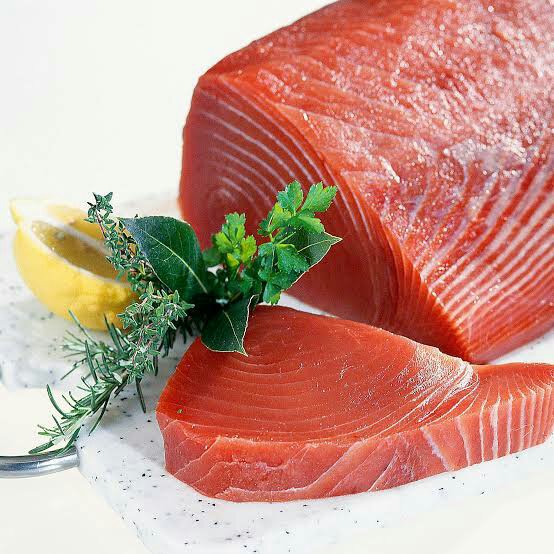
Tuna is rich in vitamin D, which has been linked to a longer life and testosterone production. It’s also a heart-healthy, protein-rich food that’s low in calories.
Whether you choose canned or fresh, eating this fish can be a natural way of boosting testosterone. A serving of tuna fulfills your daily vitamin D needs.
If you aren’t a tuna fan, you may consider other fishy sources of vitamin D, such as salmon or sardines.
Remember that moderation is key. Aim for a max of two to three servings a week to minimize your intake of mercury, which is found in seafood.
2. LOW FAT MILK WITH VITAMIN-D
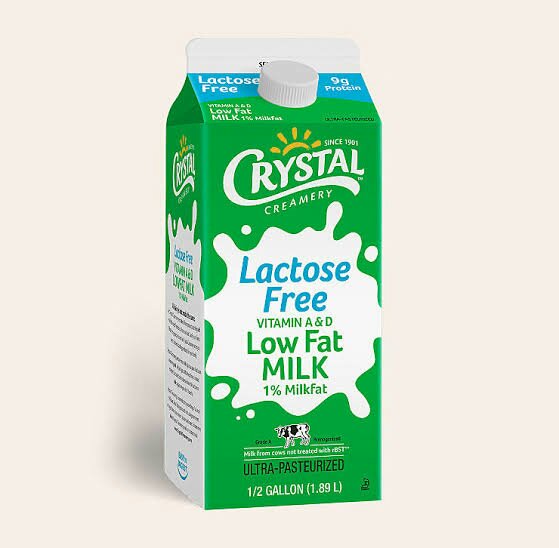
Milk is a great source of protein and calcium.
Children and women are encouraged to drink milk for better bone health, but milk can also keep men’s bones strong too. The vitamin D content may also keep testosterone levels in check.
Make sure you choose milk that’s fortified with vitamin D. Choose low fat or skim versions. They have the same nutrients as whole milk without all of the saturated fat.
3. EGG YOLKS.

Egg yolks are another rich source of vitamin D.
While cholesterol has a bad reputation, egg yolk contains more nutrients than egg whites.
The cholesterol of egg yolks may even help low T. As long as you don’t have any preexisting cholesterol issues, you can safely eat one egg per day.
4. FORTIFIED CEREALS
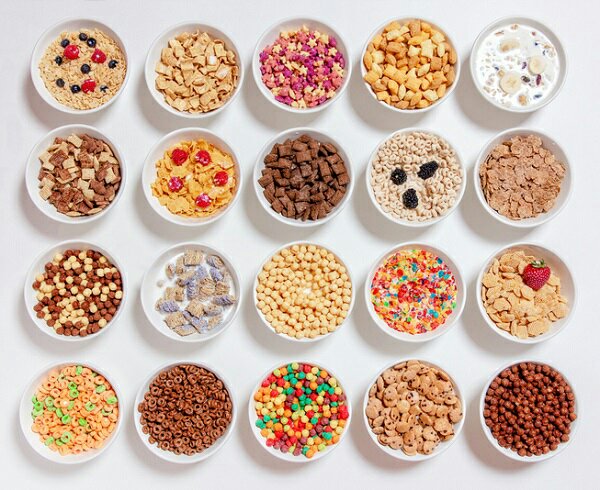
Eggs aren’t the only breakfast food that can help low T. If you have to watch your blood cholesterol, this is especially good news.
Certain cereal brands are fortified with vitamin D, not to mention other heart-healthy nutrients. Consider incorporating fortified cereals into your breakfast routine to jump-start your day and your testosterone levels.
5.OYSTERS
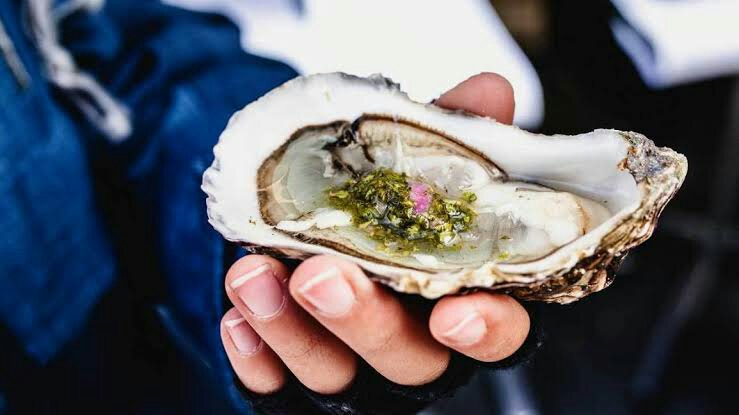
Zinc is an essential nutrient during puberty, and its effects can keep male hormones in check throughout adulthood.
Men who have low T benefit from increasing their zinc intake if they also have zinc deficiencies. Oysters are good sources of this mineral.
6. SHELLFISH

An occasional serving of crab or lobster may do your testosterone levels some good. This is thanks in part to the zinc content in these seafood favorites.
According to the National Institutes of Health, Alaskan king crab has 43 percent of your daily value of zinc in just a 3-ounce serving.
7. BEEF
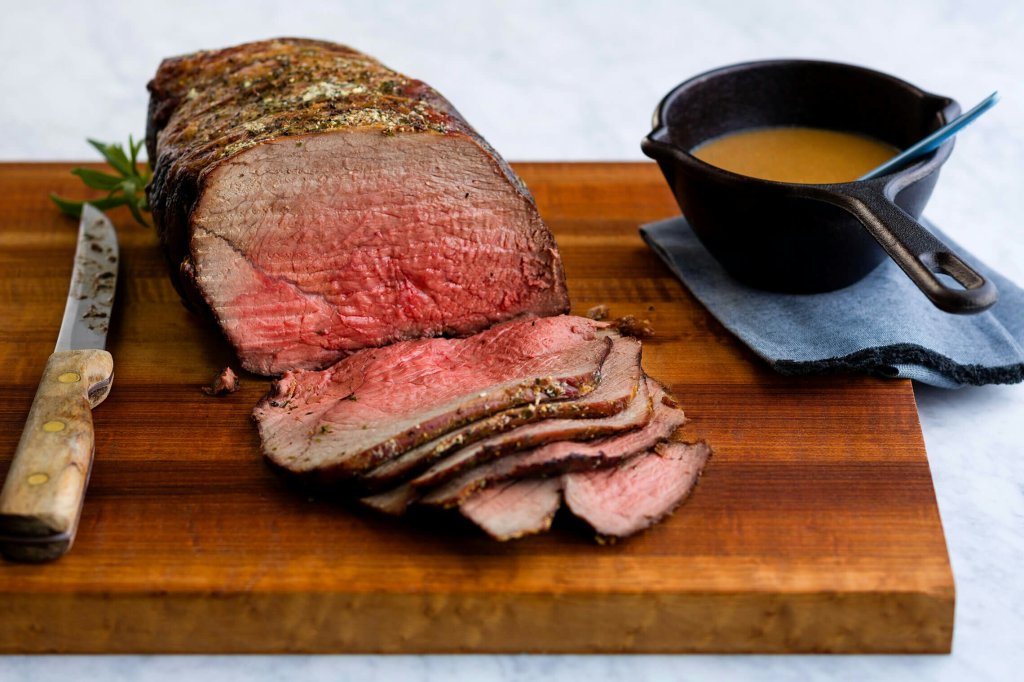
There are real health concerns about the overconsumption of red meat. Not only do some cuts have more fat than poultry, but eating too much is also linked to certain cancers, such as colon cancer.
Still, some cuts of beef have nutrients that can boost testosterone. Beef liver is an exceptional source of vitamin D, while ground beef and chuck roast contain zinc.
To keep animal fats in check, choose only lean cuts of beef and avoid eating it every day.
8. BEANS
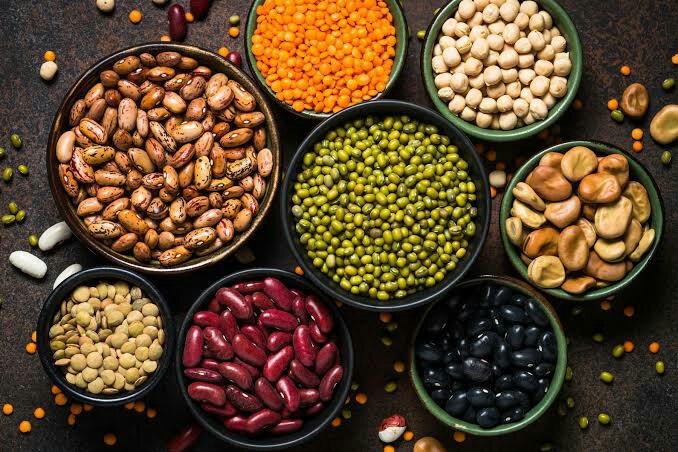
When it comes to male-hormone health, beans may offer more benefits than you think. Many legumes, such as chickpeas, lentils, and baked beans, are all considered good sources of zinc.
As a bonus, these foods are full of fiber and plant-based proteins that can protect your heart health.
More food for thought.
Healthy diet changes may help with low Testostrone, but they’re not cures for hypogonadism. A doctor must confirm that you have low testosterone through a physical exam and blood test.
If you’re diagnosed with low Testostrone, you may be prescribed testosterone hormone replacements, such as:
- tablets or pills.
- skin patches.
- topical gel.
- injections.
These medications can also come with the risk of serious side effects, so make sure you discuss all of them with your doctor beforehand.
Additionally, consider making dietary adjustments to boost your overall health, not just to treat low Testostrone.
Testosterone Basics
The hormone testosterone plays an important role in men’s health. For starters, it helps to maintain muscle mass, bone density, and sex drive. Testosterone production is at its highest in a man’s early adulthood and drops a little bit each year thereafter.
When the body doesn’t produce the right amount of testosterone, the condition is called hypogonadism. Sometimes it’s called “low Testostrone” as well. Men diagnosed with hypogonadism can benefit from testosterone therapy. Therapy isn’t usually recommended, however, if your testosterone levels fall within the normal range for your age.
There’s no magic solution for boosting your testosterone, but some natural remedies may help.
What are the symptoms of low T?
Some advertisements for testosterone replacement products may lead you to believe that simply feeling tired or cranky is a sign of low T. In reality, symptoms tend to be more involved than that. Regardless of your age, low T symptoms can include:
- erectile dysfunction, or problems developing or maintaining an erection.
- other changes in your erections, such as fewer spontaneous erections.
- decreased libido or sexual activity.
- infertility.
- rapid hair loss.
- enlarged breasts.
- reduced muscle mass.
- increased body fat.
- sleep disturbances.
- persistent fatigue.
- brain fog.
- depression.
Many of these symptoms can also be caused by other medical conditions or lifestyle factors. If you’re experiencing them, make an appointment with your doctor. They can help you identify the underlying cause and recommend a treatment plan.
 HEALTH AND FITNESS