
Immune system boosters
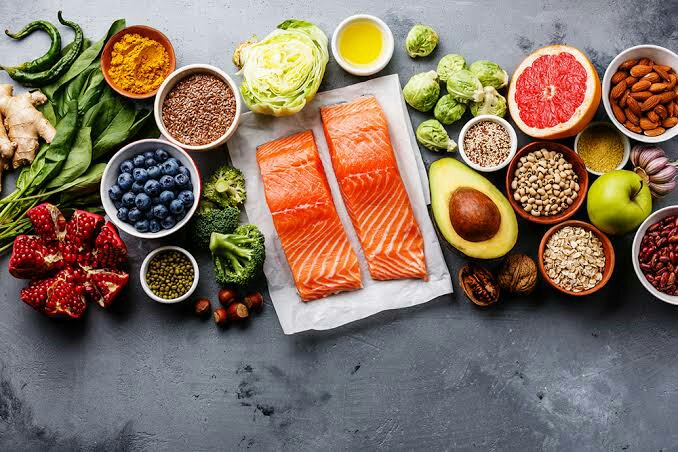
- Citrus fruits
- Red bell peper
- Broccoli
- Garlic
- Ginger
- Spinach
- Yogurt
- Almonds
- Sunflower seeds
- Turmeric
- Green tea
- Papaya
- Kiwi
- Poultry
- Shell fish
- Blue berries
- Dark chocolate
- Oily fish
- Sweet potatoes
- Kefir
If you’re looking for ways to prevent colds, the flu, and other infections, your first step should be a visit to your local grocery store. Plan your meals to include these 20 powerful immune system boosters.
An important note
No supplement will cure or prevent disease.
Currently, no research supports the use of any supplement to protect against COVID-19 specifically.
1. CITRUS FRUITS
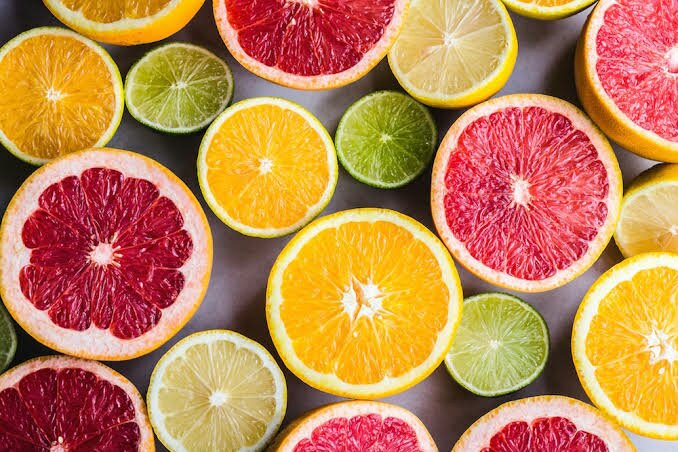
Vitamin C is thought to increase the production of white blood cells, which are key to fighting infections.
Almost all citrus fruits are high in vitamin C. With such a variety to choose from, it’s easy to add a squeeze of this vitamin to any meal.
Popular citrus fruits include:
grapefruit
oranges
clementines
tangerines
lemonslimes
Because your body doesn’t produce or store it, you need daily vitamin C for continued health. The recommended daily amount for most adults is:
75 mg for women
90 mg for men
If you opt for supplements, avoid taking more than 2,000 milligrams (mg) a day.
Also keep in mind that while vitamin C might help you recover from a cold quicker, there’s no evidence yet that it’s effective against the new coronavirus, SARS-CoV-2.
2. RED BELL PEPER
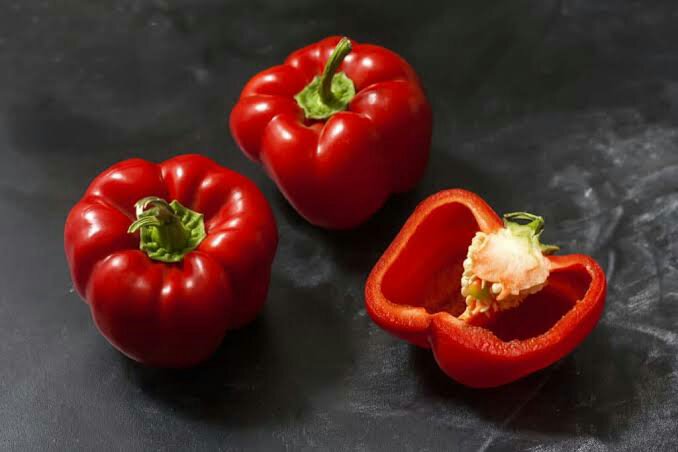
Besides boosting your immune system, vitamin C may help you maintain healthy skin. Beta carotene, which your body converts into vitamin A, helps keep your eyes and skin healthy.
3. BROCCOLI
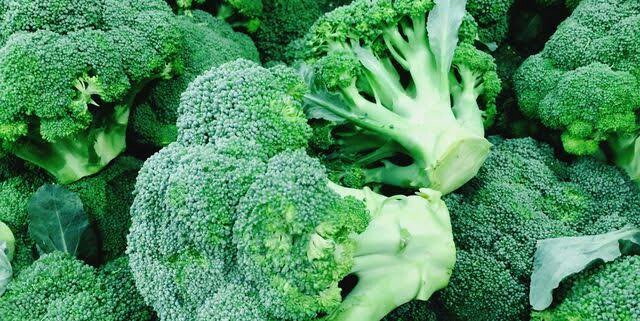
The key to keeping its power intact is to cook it as little as possible — or better yet, not at all. ResearchTrusted Source has shown that steaming is the best way to keep more nutrients in the food.
4. GARLIC
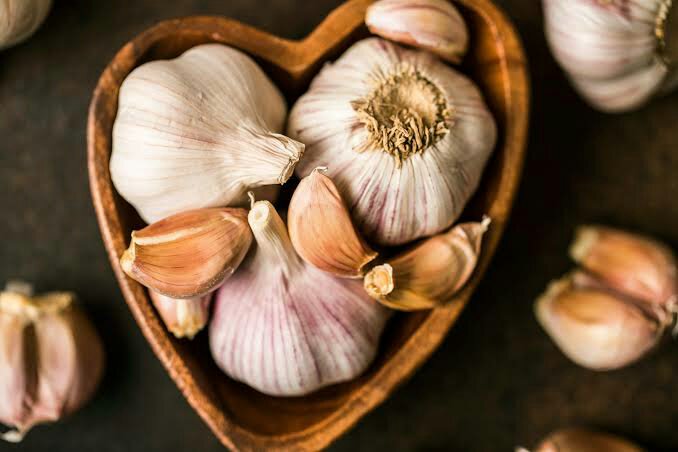
Early civilizations recognized its value in fighting infections. Garlic may also slow down hardening of the arteries, and there’s weak evidence that it helps lower blood pressure.
Garlic’s immune-boosting properties seem to come from a heavy concentration of sulfur-containing compounds, such as allicin.
5. GINGER
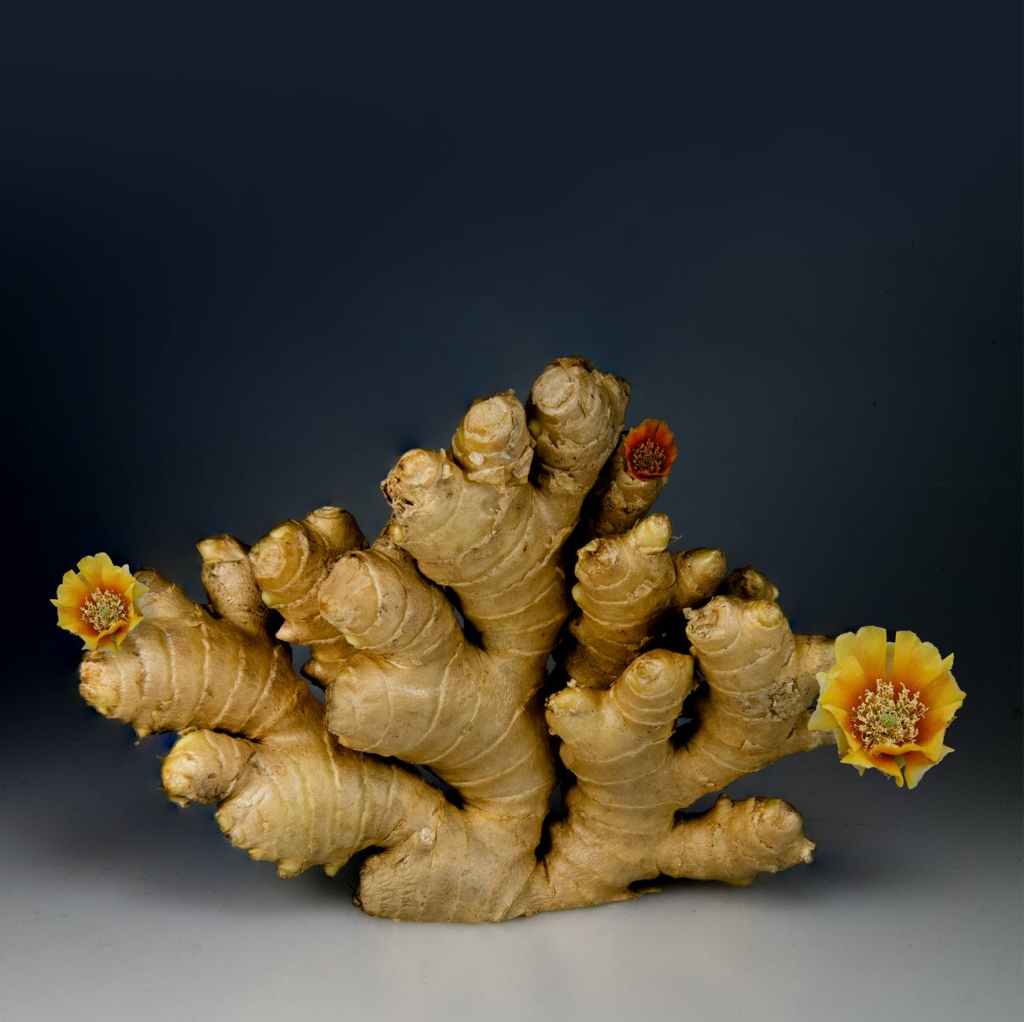
While it’s used in many sweet desserts, ginger packs some heat in the form of gingerol, a relative of capsaicin.
Ginger may also decrease chronic painTrusted Source and might even possess cholesterol-lowering propertiesTrusted Source.
6. SPINACH
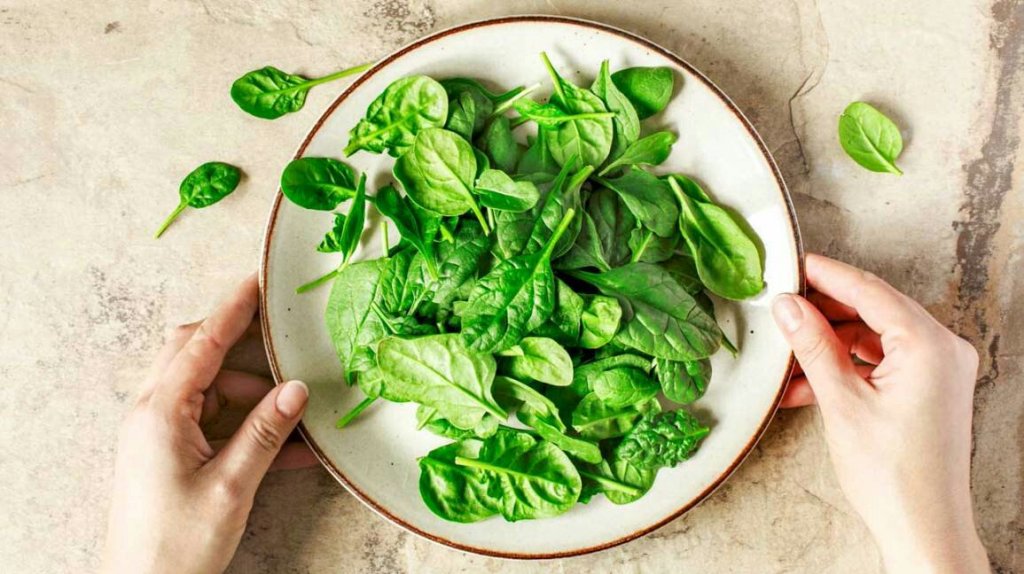
Similar to broccoli, spinach is healthiest when it’s cooked as little as possible so that it retains its nutrients. However, light cooking makes it easier to absorb the vitamin A and allows other nutrients to be released from oxalic acid, an antinutrient.
7. YOGURT
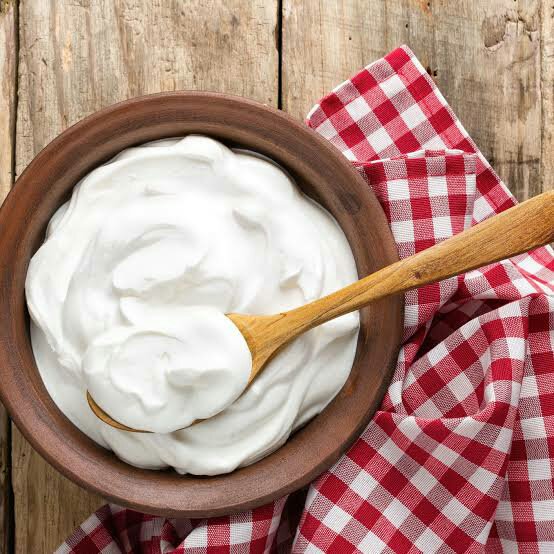
Try to get plain yogurts rather than the kind that are flavored and loaded with sugar. You can sweeten plain yogurt yourself with healthy fruits and a drizzle of honey instead.
Yogurt can also be a great source of vitamin D, so try to select brands fortified with this vitamin. Vitamin D helps regulate the immune system and is thought to boost our body’s natural defenses against diseases.
Clinical trials are even in the works to study its possible effects on COVID-19.
8. ALMONDS
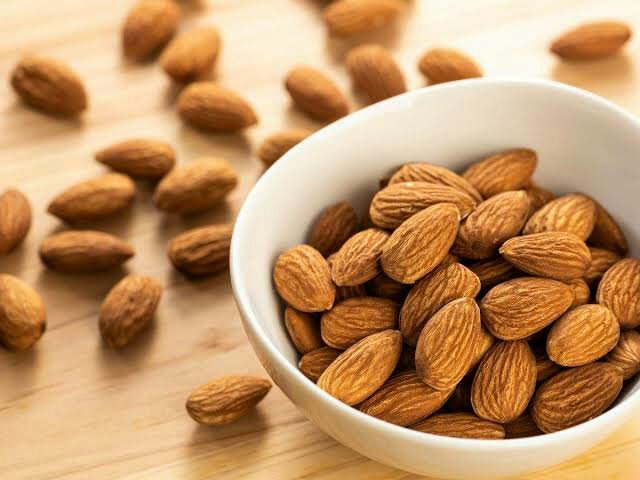
It’s a fat-soluble vitamin, which means it requires the presence of fat to be absorbed properly. Nuts, such as almonds, are packed with the vitamin and also have healthy fats.
Adults only need about 15 mg of vitamin E each day. A half-cup serving of almonds, which is about 46 whole, shelled almonds, provides around 100 percentTrusted Source of the recommended daily amount.
9. SUNFLOWER SEEDS
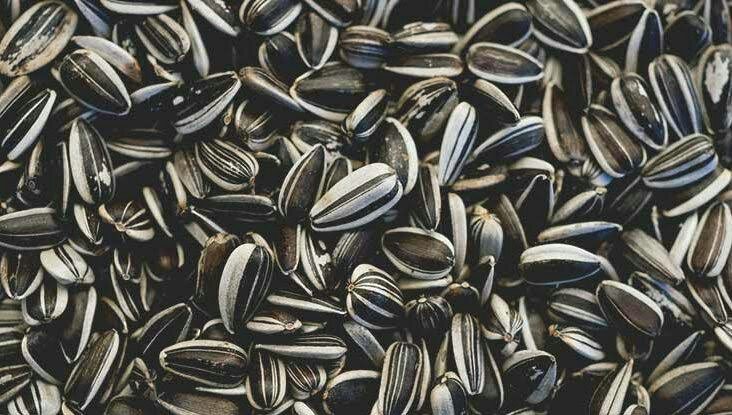
Vitamin E is important in regulating and maintaining immune system function. Other foods with high amounts of vitamin E include avocados and dark leafy greens.
Sunflower seeds are also incredibly high in selenium. Just 1 ounce contains nearly halfTrusted Source the selenium that the average adult needs daily. A variety of studies, mostly performed on animals, have looked at its potential to combat viral infections such as swine flu (H1N1).
10. TURMERIC
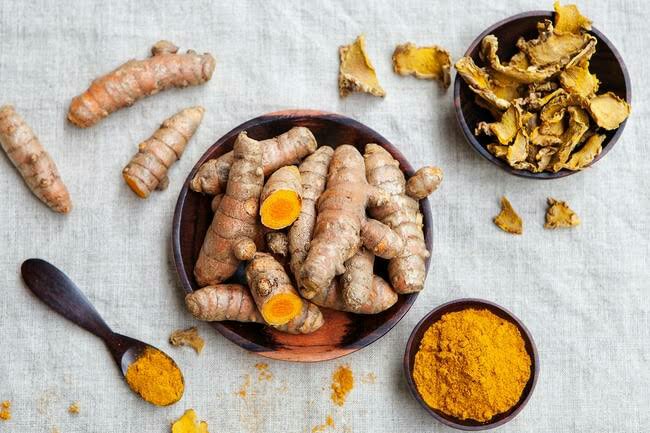
ResearchTrusted Source shows that high concentrations of curcumin, which gives turmeric its distinctive color, can help decrease exercise-induced muscle damage. Curcumin has promise as an immune booster (based on findings from animal studies) and an antiviral. More research is needed.
11. GREEN TEA
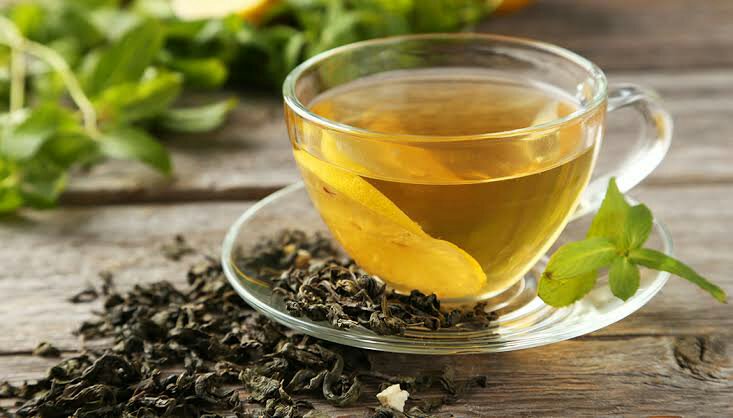
In studies, EGCG has been shown to enhance immune function. The fermentation process black tea goes through destroys a lot of the EGCG. Green tea, on the other hand, is steamed and not fermented, so the EGCG is preserved.
Green tea is also a good source of the amino acid L-theanine. L-theanine may aid in the production of germ-fighting compounds in your T cells.
12. PAPAYA
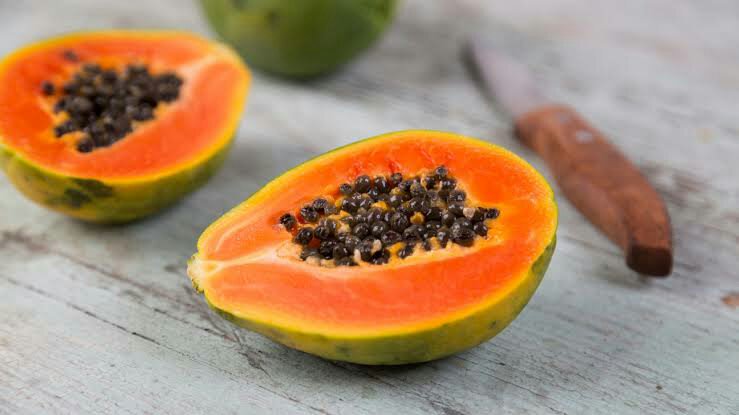
Papayas have decent amounts of potassium, magnesium, and folate, all of which are beneficial to your overall health.
13. KIWI
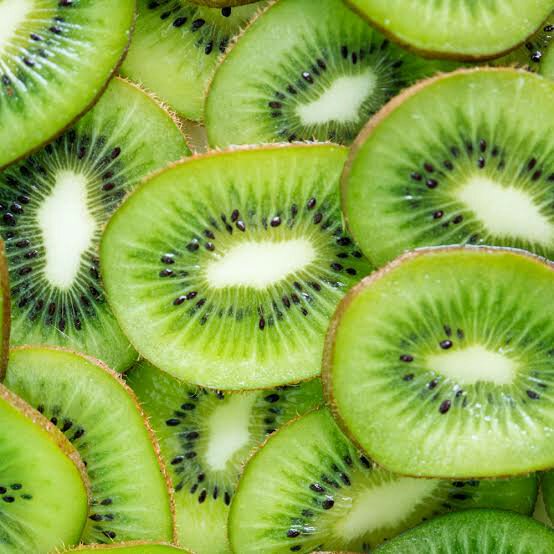
Vitamin C boosts the white blood cells to fight infection, while kiwi’s other nutrients keep the rest of your body functioning properly.
14. POULTRY
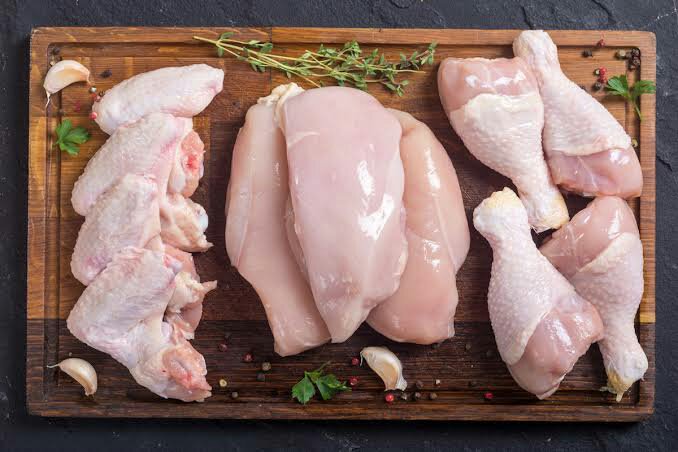
Poultry, such as chicken and turkey, is high in vitamin B-6. About 3 ounces of light turkey or chicken meat contains nearly one-third of your daily recommended amount of B-6.
Vitamin B-6 is an important player in many of the chemical reactions that happen in the body. It’s also vital to the formation of new and healthy red blood cells.
Stock or broth made by boiling chicken bones contains gelatin, chondroitin, and other nutrients helpful for gut healing and immunity.
15. SHELL FISH
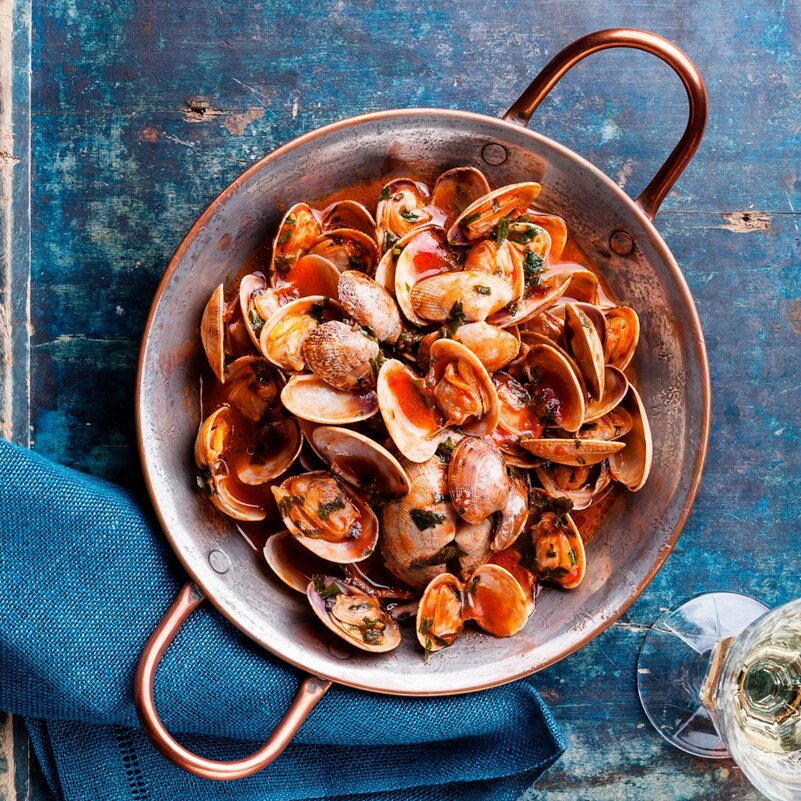
Zinc doesn’t get as much attention as many other vitamins and minerals, but our bodies need it so that our immune cells can function as intended.
Varieties of shellfish that are high in zinc include:
1. oysters
2. crab
3. lobster
4. mussels
Keep in mind that you don’t want to have more than the daily recommended amount of zinc in your diet:
11 mg for adult men8 mg for most adult women
Too much zinc can actually inhibit immune system function.
16. BLUEBERRIES
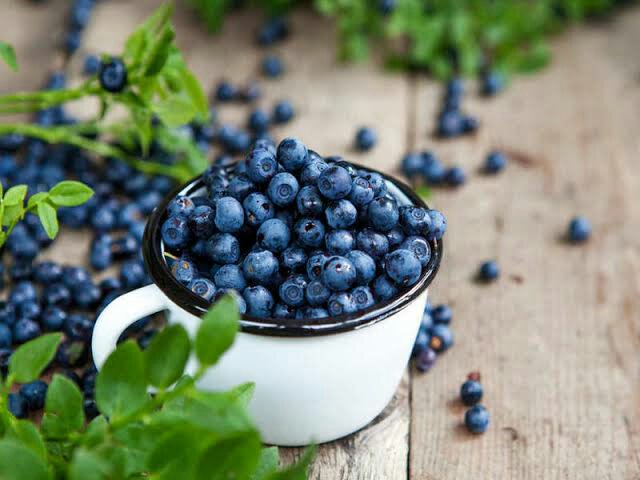
Researchers found that people who ate foods rich in flavonoids were less likely to get an upper respiratory tract infection, or common cold, than those who did not.
17. DARK CHOCOLATE
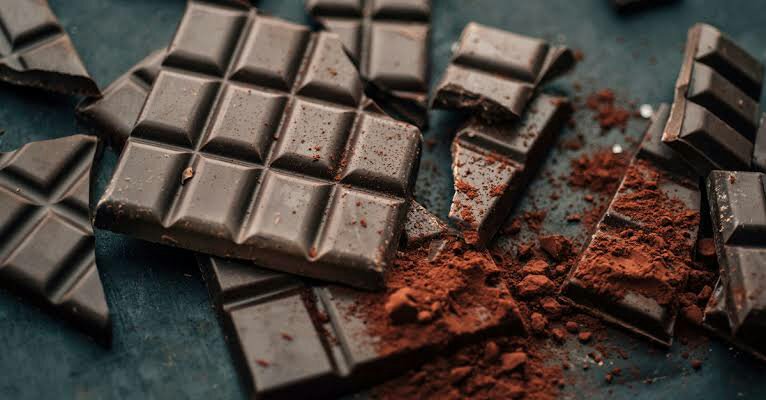
Free radicals are molecules that the body produces when it breaks down food or comes into contact with pollutants. Free radicals can damage the body’s cells and may contribute to disease.
Despite its potential benefits, dark chocolate is high in calories and saturated fat, so it is important to eat it in moderation.
18. OILY FISH
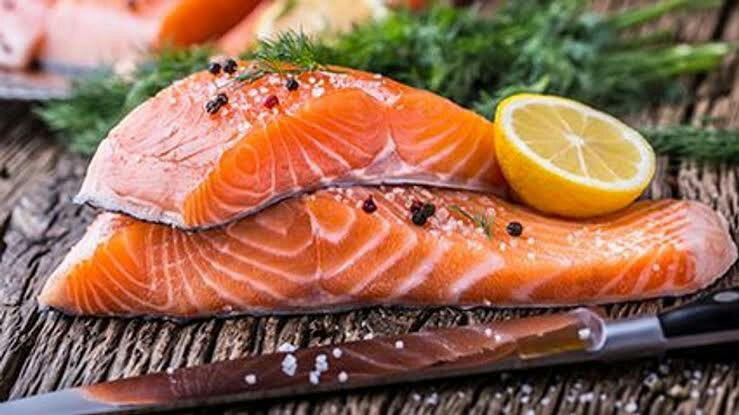
According to a 2014 report, long-term intake of omega-3 fatty acids may reduce the risk of rheumatoid arthritis (RA).
RA is a chronic autoimmune condition that occurs when the immune system mistakenly attacks a healthy part of the body.
19. SWEET POTATOES

Beta carotene is a source of vitamin A. It helps to make skin healthy and may even provide some protection against skin damageTrusted Source from ultraviolet (UV) rays.
20. KEFIR
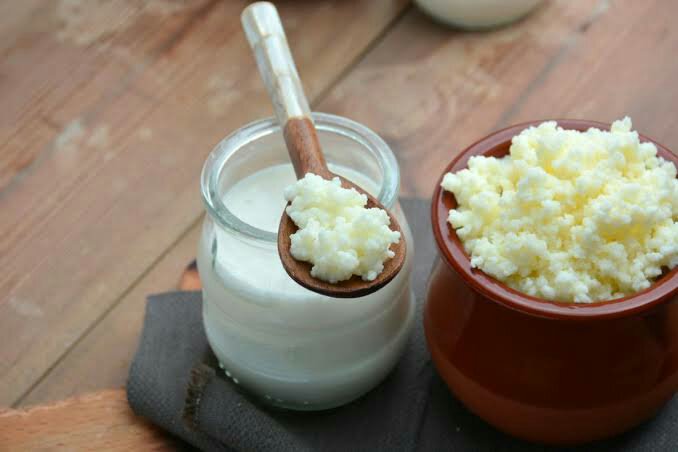
Initial research suggests that drinking kefir may boost the immune system. According to a 2017 reviewTrusted Source, various studies have shown that regular consumption of kefir can help with:
fighting bacteria
reducing inflammation
increasing antioxidant activity
The majority of the research that supports this was carried out on animals or in a laboratory. Researchers need to perform additional studies to understand how kefir may prevent disease in humans.
 HEALTH AND FITNESS
Good job
LikeLike
Post recepies to make them
LikeLike